loader image

Blog

Curtains vs Blinds

When it comes to window coverings, many Cape Town homeowners face the big question:

Should I choose curtains or blinds? The decision isn’t just about style it affects your home’s comfort, energy efficiency, privacy, and maintenance needs.

In this post, we’ll help you compare curtains vs. blinds, so you can choose the best window treatment for your space.

Why Your Window Coverings Matter in Cape Town

Cape Town’s unique climate with its hot summers, cold winters, and famous winds means your window coverings play a vital role. Whether you live in Sea Point, Rondebosch, Durbanville, or Camps Bay, choosing the right option can help:
Control indoor temperatures
Protect your furniture from UV rays
Reduce glare and improve sleep
Enhance your home’s aesthetic

Curtains: Pros and Cons

Curtain Benefits

  • Soft, elegant look: Ideal for bedrooms and formal lounges.
  • Good insulation: Heavy curtains help block out cold during winter.
  • Sound dampening: Curtains can help reduce echo in large rooms.

Curtain Drawbacks

  • Maintenance-heavy: Curtains attract dust and require regular washing.
  • Can trap allergens: Not ideal for allergy sufferers.
  • Takes up more space: Bulky and less suited for small rooms or modern minimalist styles.

Blinds: Pros and Cons

Blind Benefits

  • Modern, sleek appearance: Perfect for contemporary homes.
  • Easy to clean: Most blinds only need a quick wipe-down.
  • Flexible light control: Options like zebra blinds or venetian blinds give precise control over privacy and sunlight.
  • Space-saving: Great for compact areas like kitchens or home offices.
  • Smart options: Motorized blinds integrate with your home automation systems.

Blind Drawbacks

  • Less plush look: Blinds can feel colder or more clinical in traditional or cozy spaces.

Best Window Covering by Room

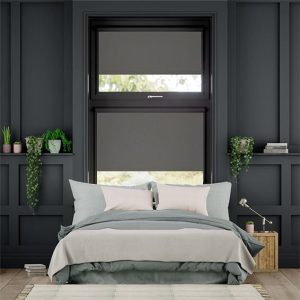
  • Bedroom: Blockout blinds are ideal for light control and better sleep. Add sheer curtains for softness if preferred.
  • Living room: A combination of blinds + sheer curtains offers style + functionality.
  • Kitchen/Bathroom: Blinds win for moisture resistance and easy cleaning.
  • Home office: Blinds reduce glare and boost focus.

Curtains vs. Blinds: Energy Efficiency & Cost

Both options help reduce energy loss, but blockout blinds and insulated shutters generally offer better year-round performance against Cape Town’s heat and cold.
Cost-wise: Blinds can often be a more affordable solution, especially for large windows or custom shapes.

The Blinds Shop’s Recommendation

Blinds are the best choice for most Cape Town homes seeking a balance of style, practicality, and affordability.
Curtains can still work beautifully when layered or used strategically in spaces where softness matters.

Get Expert Advice from The Blinds Shop

Still not sure? Our team at The Blinds Shop Cape Town offers:
Free measurements and quotes
Custom blinds and window coverings
Fast, professional installations

Contact us today on WhatsApp (084 600 9779) or visit www.theblindsshop.online let’s transform your windows!

Curtains vs Blinds Read More »
Beyond the Obvious: Creative Uses of Window Blinds

Window blinds are renowned for their practical benefits, offering solutions for light control, privacy, and temperature regulation. However, their versatility extends far beyond these conventional uses. We’re going to explore a realm of creativity and innovation, uncovering unique and unexpected ways to incorporate window blinds into your living spaces.


  1. Room Dividers with Flair

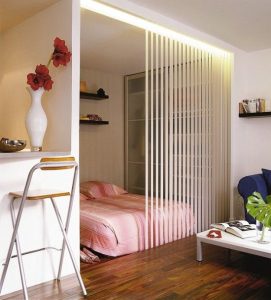
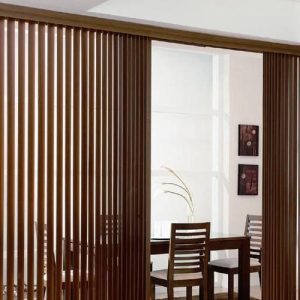
Why settle for plain room dividers when you can create dynamic, textured spaces using window blinds? Hang vertical blinds from the ceiling to partition large areas, providing both functionality and aesthetic appeal. Choose blinds in contrasting colors or patterns to make a bold design statement, or opt for sheer blinds to maintain an airy feel while still defining separate zones.

VERTICAL ROOM DIVIDER


  1. Artistic Backdrops

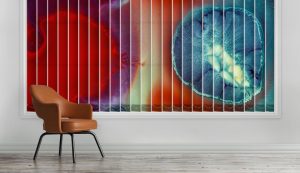
Transform your window blinds into captivating works of art by customizing them with designs, patterns, or even hand-painted motifs. These artistic blinds can serve as eye-catching backdrops for your living room, home office, or bedroom. By incorporating your personal touch, you infuse your space with character and individuality.

ARTISTIC BLIND

  1. Green Walls with a Twist

Vertical gardens have gained popularity, bringing nature indoors. Elevate this concept by attaching small planters to the slats of horizontal blinds. As the blinds are raised or lowered, the plants’ positions change, creating a living, ever-changing work of art that also doubles as an innovative space divider.


  1. Interactive Learning Spaces

For parents and educators, window blinds can become educational tools. Attach educational posters or maps to the backside of a set of blinds and use them as interactive learning aids. Children can engage with the materials while adjusting the blinds, making learning an exciting and hands-on experience.

LEARNINF BLIND

  1. Unique Headboards

Looking for an unconventional headboard for your bed? Horizontal blinds can be creatively repurposed to form a distinctive headboard. Paint or decorate the slats to match your bedroom’s aesthetic, adding an unexpected element of design to your sleeping haven.

WINDOW BLIND HEADBOARD

  1. Playful Children’s Play Area

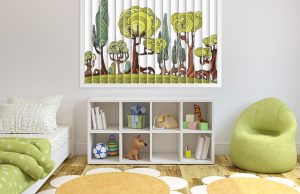
Transform a corner of your child’s room into a whimsical play space by suspending colorful blinds from the ceiling. These suspended blinds can serve as a playful hideaway or a mini fort where children’s imaginations can run wild.

CHILDRENS BLIND

  1. Backdrop for Home Theater Magic

Elevate your home theater experience by using blackout blinds as a backdrop. When not in use, the blinds can be closed to create a cinema-like ambiance. When the projector is fired up, simply raise the blinds for a seamless transition to movie magic.

MOVIE BLINDS

  1. Faux Headboard for Small Spaces

Short on space? Use vertical blinds to create the illusion of a headboard for your bed. This clever trick adds depth and visual interest to your room without taking up precious square footage.

VERTICAL HEADBOARD


Window blinds are more than just functional window coverings; they are versatile tools that allow you to express your creativity and imagination. From room dividers to interactive learning aids, artistic backdrops to unique headboards, the possibilities are limited only by your inventiveness. By exploring these creative uses of window blinds, you can transform your living spaces into personalized works of art that reflect your unique style and innovation.

Beyond the Obvious: Creative Uses of Window Blinds Read More »

A Complete Guide to Cleaning and Maintaining Your Blinds

Blinds not only enhance the aesthetics of your space but also serve a functional purpose in controlling light and privacy. To keep your blinds looking their best and maintaining their functionality, regular cleaning and maintenance are essential. In this comprehensive guide, we’ll provide you with valuable tips and techniques to effectively clean and maintain various types of blinds. Let’s dive in and ensure your blinds stay in pristine condition!

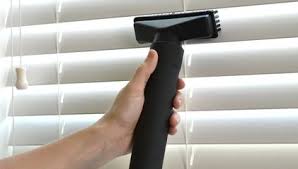
blinds cleaning

Cleaning Wood Blinds:

  • Use a soft cloth, microfiber duster, or vacuum cleaner with a brush attachment to gently remove dust from wooden blinds.
  • For stubborn stains, lightly dampen a cloth with a mixture of mild dish soap and water, then wipe the affected areas. Be careful not to saturate the wood. Cleaning Faux Wood Blinds:
  • Similar to wood blinds, use a soft cloth or microfiber duster to remove dust from faux wood blinds.
  • For deeper cleaning, wipe each slat with a damp cloth or sponge soaked in a mild cleaning solution.
  1. Cleaning Aluminum Blinds:
  • Use a clean, dry cloth or a duster to remove dust from aluminum blinds.
  • For stains, wipe the affected areas with a cloth dampened in a mild detergent solution. Rinse and dry thoroughly.
  1. Cleaning Fabric Blinds:
  • Use a brush attachment or a handheld vacuum with a brush to gently remove dust from fabric blinds.
  • Treat stains on fabric blinds with a fabric-safe stain remover or a mild detergent solution. Blot the stained area, then rinse and air dry.
  1. Cleaning Vinyl Blinds:
  • Use a soft cloth, microfiber duster, or a vacuum cleaner with a brush attachment to remove dust from vinyl blinds.
  • For deeper cleaning, wipe each slat with a cloth or sponge dampened with a mild detergent solution.
  1. Cleaning Vertical Blinds:
  • Use a soft cloth, microfiber duster, or vacuum cleaner with a brush attachment to remove dust from vertical blinds.
  • Treat stains on fabric vertical blinds with a fabric-safe stain remover or a mild detergent solution. Blot the stained area, then rinse and air dry.
  1. General Maintenance Tips:
  • Dust your blinds at least once a week to prevent dust build-up and maintain their appearance.
  • When cleaning blinds, use mild detergents or cleaning solutions to avoid damaging the materials.
  • After cleaning, ensure the blinds are thoroughly dry before closing or operating them to prevent moisture-related issues.

Regular cleaning and maintenance are essential for keeping your blinds in top condition. By following the tips provided in this guide, you can effectively clean and maintain various types of blinds, ensuring they continue to enhance your space while functioning optimally. Remember, proper cleaning and maintenance practices prolong the lifespan of your blinds and contribute to a cleaner and more inviting living environment. For further assistance or expert advice, don’t hesitate to reach out to The Blinds Shop. Let’s keep your blinds looking fresh and beautiful for years to come!

A Complete Guide to Cleaning and Maintaining Your Blinds Read More »

Easy Tips to Slash Your Electricity Bills and Uncover Hidden Savings

Are you tired of skyrocketing electricity bills? It’s time to take control of your energy consumption and start saving money. In this blog post, we’ll share simple yet effective tips to help you reduce your electricity usage and lower your monthly bills. And don’t forget, an energy audit can uncover even more hidden potential savings! Let’s dive in.

high electricity bill

Embrace Energy-Efficient Lighting:

  • Swap out traditional incandescent bulbs with energy-efficient LED bulbs.
  • Install motion sensor lights or timers in areas where lighting is frequently left on.
  1. Master the Art of Thermostat Control:
  • Adjust your thermostat settings to save energy. Lower it during winter and raise it during summer.
  • Consider installing a programmable or smart thermostat for automated temperature control.
  1. Conquer Phantom Energy:
  • Unplug electronic devices when not in use, or use power strips with switches to easily turn them off.
  • Put major appliances on a power-saving mode or use smart power strips that automatically cut off power to idle devices.
  1. Optimize Your Appliance Usage:
  • Wash clothes in cold water whenever possible and air dry them instead of using the dryer.
  • Run the dishwasher with full loads and skip the heated drying cycle.
  1. Harness the Power of Natural Light:
  • Open curtains and blinds to make the most of natural daylight instead of relying solely on artificial lighting.
  • Consider installing solar tubes or skylights to maximize natural light in darker areas.
  1. Get Smart About Energy-Efficient Appliances
  • Upgrade old, inefficient appliances, especially refrigerators and air conditioners, which can be major energy consumers.
  1. Be Mindful of Vampire Electronics:
  • Be aware of appliances that continue to draw power even when turned off, such as televisions, gaming consoles, and chargers.
  • Use smart power strips or unplug these electronics when not in use to eliminate phantom energy consumption.
  1. Sealing and Insulation:
  • Seal gaps and cracks around windows, doors, and other areas to prevent drafts and heat loss.
  • Insulate your home properly, including attics, walls, and floors, to improve energy efficiency.
  • An energy audit provides a comprehensive evaluation of your home’s energy usage.
  • It can identify areas where you can make further energy-saving improvements.
  • Professionals can analyze your energy consumption patterns and recommend tailored solutions for maximum savings.

By implementing these easy-to-follow tips, you can significantly reduce your electricity bills and conserve energy. Remember, every small change adds up to big savings over time. And for a more in-depth understanding of your energy usage and potential savings, consider scheduling an energy audit. Take control of your energy consumption and start enjoying the financial and environmental benefits of an energy-efficient home.

Easy Tips to Slash Your Electricity Bills and Uncover Hidden Savings Read More »

Unmasking Savings: Energy Audits in South Africa’s Loadshedding Crisis

                                                                                                                                                       Introduction:
As the cost of electricity continues to rise in South Africa, consumers across the nation are seeking effective strategies to manage their energy expenses. Energy audits have emerged as a powerful tool for individuals looking to uncover hidden energy inefficiencies and make small changes that result in significant savings. In this blog post, we will explore the benefits of energy audits, focusing on South African consumers, and how they can identify invisible energy waste to reduce electricity costs at their own pace. Additionally, we will delve into the cost savings associated with implementing small changes and the positive impact of improved ventilation on individuals, especially those suffering from asthma.

THERMAL HOME
Infrared thermovision image showing lack of thermal insulation on House

                                                                                                                          Discovering Invisible Energy Inefficiencies:
Energy audits offer consumers the ability to uncover invisible energy inefficiencies that often go unnoticed. These inefficiencies may include poorly sealed doors and windows, inefficient lighting systems, or appliances consuming excessive energy. By conducting an energy audit, consumers can identify these hidden culprits and take targeted actions to mitigate them. For instance, fixing drafty doors and windows, switching to energy-efficient light bulbs, and using energy-saving settings on appliances are examples of changes that can lead to significant energy savings.
                                                                                                                                   Cost Savings through Small Changes:
Small changes, when multiplied, can result in substantial energy and cost savings. Energy audits provide a roadmap for consumers to identify areas where energy waste is occurring and recommend specific actions to address them. By implementing the recommended changes at their own pace, consumers can gradually reduce their electricity consumption and lower their monthly bills.
Consider this data: Replacing traditional incandescent light bulbs with energy-efficient LED bulbs can save up to R400 per year per household, according to data from the South African Energy Efficiency Labeling Program. Similarly, adjusting thermostat settings by just 1 degree Celsius can result in savings of approximately R500 per year. These small changes, sustained over time, can add up to substantial savings, allowing consumers to allocate their funds to other essential needs.
                                                                                                                  Unveiling Health Benefits through Improved Ventilation:
Energy audits not only help consumers save on electricity costs but also contribute to improving indoor air quality and overall health. Proper ventilation plays a crucial role in maintaining a healthy living environment, particularly for individuals with asthma.
Research published in the Journal of Allergy and Clinical Immunology shows that effective ventilation can decrease asthma-related hospitalizations by up to 32%. By addressing ventilation issues identified through energy audits, South African consumers can significantly reduce the concentration of allergens and pollutants that trigger asthma symptoms, promoting a healthier indoor environment for all residents.
Moreover, optimizing ventilation systems ensures proper humidity control. Excess humidity can lead to the growth of mold and dampness, common triggers for asthma attacks. By implementing ventilation improvements, energy audits help inhibit the growth of mold and dampness, reducing the frequency and severity of asthma symptoms for individuals and contributing to long-term cost savings by minimizing healthcare expenses.
                                                                                                                                                         Conclusion:
In South Africa’s rising electricity climate, energy audits offer valuable benefits to consumers seeking to reduce their electricity costs and enhance their overall energy efficiency. By uncovering hidden energy inefficiencies, implementing small changes, and improving ventilation systems, individuals can save money and create a healthier living environment. Energy audits empower consumers to take control of their energy consumption and make informed decisions that align with their needs and priorities.
By incorporating small changes suggested in energy audit reports, such as switching to energy-efficient light bulbs and adjusting thermostat settings, South African consumers can experience tangible cost savings. Additionally, addressing ventilation issues revealed by energy audits can greatly benefit individuals, especially those suffering from asthma, by improving indoor air quality and reducing asthma-related hospitalizations.
Embrace the power of energy audits and unlock the hidden savings that await in your home, while simultaneously enhancing your well-being and contributing to a more sustainable energy future in South Africa.

Unmasking Savings: Energy Audits in South Africa’s Loadshedding Crisis Read More »